Slow Harvests of Southern Peloponnese
Words by the 111111 Culinary Desk • 6 min read
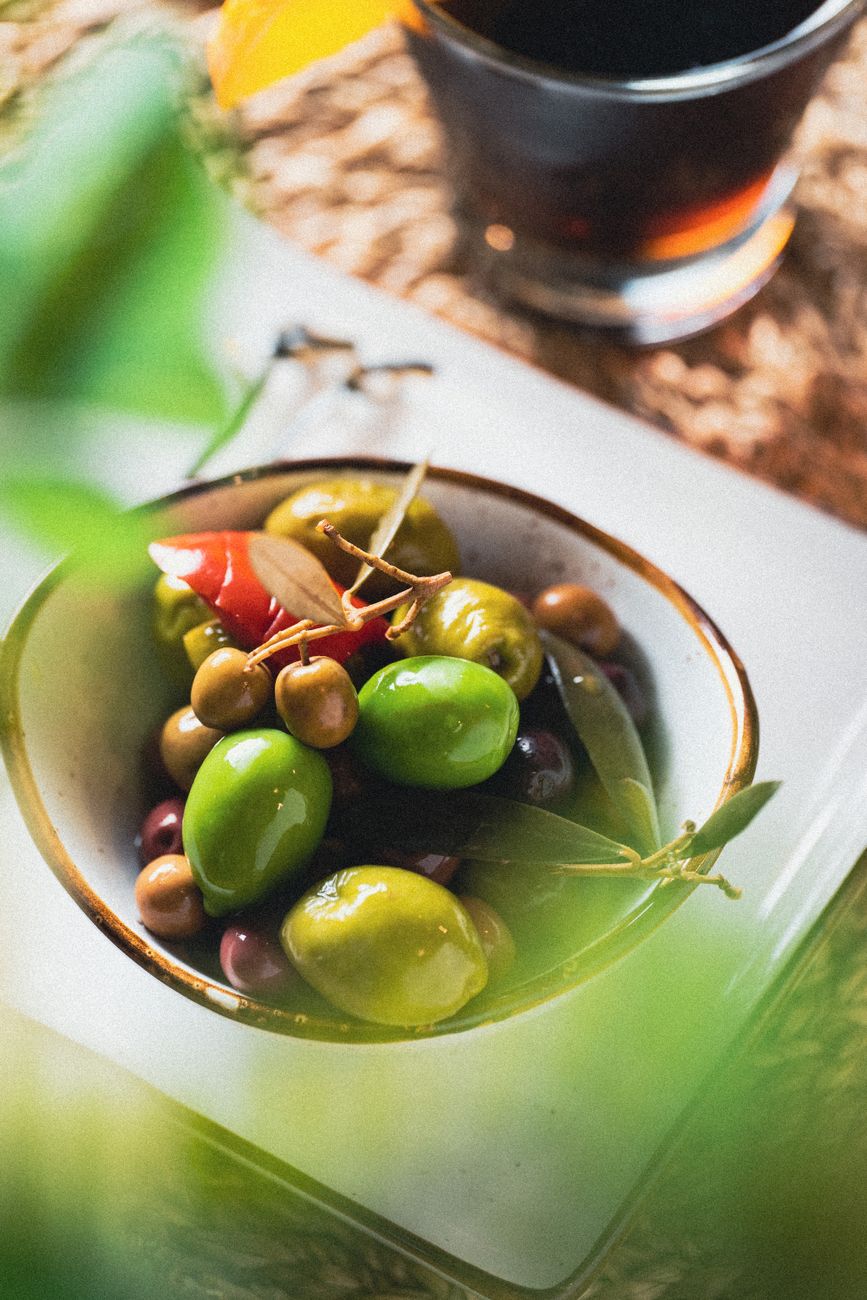
South of Kalamata, where the Taygetos mountain spine drops dramatically into the sapphire expanse of the Messenian Gulf, agricultural life continues to follow the rhythm of the seasonal olive harvest.
Here, the prized Koroneiki olive is still gathered primarily by hand. Families lay expansive mesh nets beneath gnarled, centuries-old trees before raking the branches with gentle mechanical combs, ensuring the delicate fruit drops unblemished.
From Press to Table
Within hours of harvesting, the fruit is transported to communal cold-press mills. The room fills with the intense, grassy aroma of first-press extra virgin oil—cloudy, vibrant emerald, and bursting with peppery polyphenols.
"True gastronomy is rooted in geographic memory. The oil of the Mani region tastes of sea mist, wild thyme, and limestone soil."
At local seaside tavernas in villages like Kardamyli and Limeni, this liquid emerald is not treated as a mere dressing, but as the foundational element of every dish: drizzled over warm, crusty sourdough, folded into wild mountain greens (horta), and bathing slow-baked sea bream fresh from morning nets.
Encountering Authentic Peloponnese Dining
- Avoid multi-language tourist menus: Seek establishments where the daily menu is recited verbally based on what the fishing boat delivered that morning.
- Taste raw olive oil: Ask the proprietor for a dish of the year's unrefined harvest with a pinch of local sea salt.
- Explore wild botanicals: Local honey infused with wild mountain oregano and sage captures the unmistakable flora of the southern peninsula.
These slow agricultural landscapes invite us to slow our own internal tempo and honor the labor of ancestral cuisine.
Embark on a Private Culinary Journey
Our editors organize intimate vineyard and harvest visits throughout Southern Europe.